The ability to look at samples at the level of single cells has transformed the way we can look at complex samples. 10X is the most frequently used platform for the creation of high throughput single cell RNA-Seq data. In this course we look at the processing, exploration and analysis of this data using both desktop tools such as the Loupe Browser, and R packages such as Seurat. As well as standard analyses we also look at the types of artefacts and problems which affect this data and how to identify and remedy them.
Pre-Course Requirements & Suggestions
Whilst not required, it may be useful to attend the following courses to supplement the knowledge you'll get from this one.
Course Content
10X Theory and Processing
We start by looking at the chemistry which is used to create 10X libraries and the barcoding system which allows for high throughput analysis. We see how the sequences generated relate to the cells and transcripts in the original samples. We finish by looking at the CellRanger pipeline for data processing and look at the QC report it generates and how to interpret it.
Dimensionality Reduction and Data Exploration
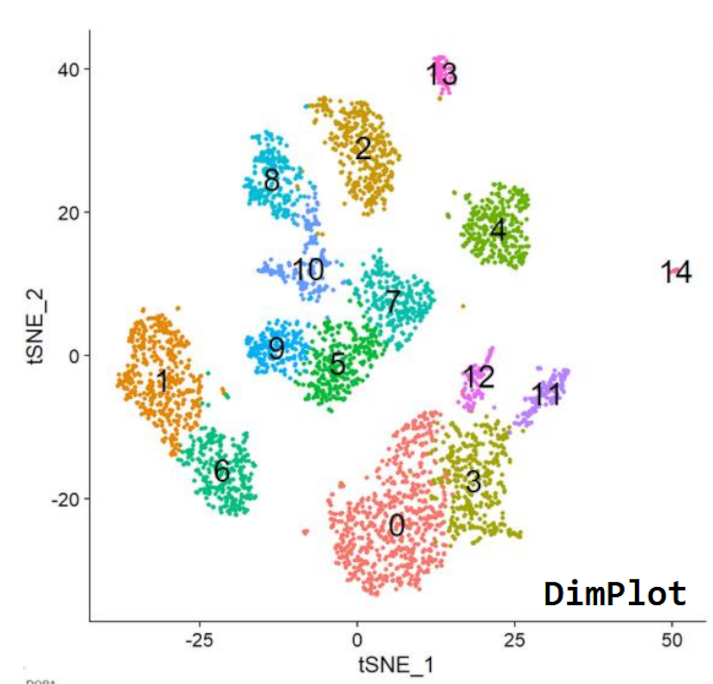
The enormous complexity of scRNA data means that the most common methods of visualisation are the techniques of dimensionality reduction. Here we look at the theory of PCA, tSNE and UMAP, the standard techniques used for single cell data, and see how they can be applied to scRNA-Seq datasets. Plots from these techniques are used in software such as the Loupe Cell Browser to explore new datasets.
Analysing scRNA data in R
If you want to move beyond the friendly, but limited, capabilities of the Loupe Browser then there are a number of R packages which offer greater flexibility. Here we look at the major package systems which are available and what they provide. We go into more detail of the functionality of the Seurat package and go through the most common steps in its workflow.